
Painting as Survival and Recognition
The Minds of Billy MilliganThis thread traces how art gives Billy and the people around him a means of expression, practical support, and recognition across institutions and periods of crisis.
increasing Bearing strength in each event
 decreasing
Bearing strength in each eventdecreasingDifferent Hands, Different Subjects
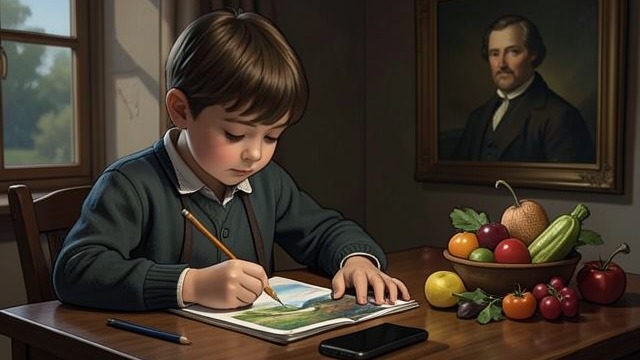
Early Art as Expression
Talent amid confusion
Billy’s unusual drawing ability drew praise in school, even as episodes of lost time and distress made ordinary learning difficult. The paintings and drawings associated with his inner people developed distinct subjects: landscapes, portraits, and still lifes.
Art carries emotional traces
The differences in subject matter reflected more than technique. Danny’s still lifes, for example, avoided the ground he feared, while other artists pursued landscapes or portraits, giving visual form to experiences that were difficult to explain directly.
Painting Opens a Door at Zanesville
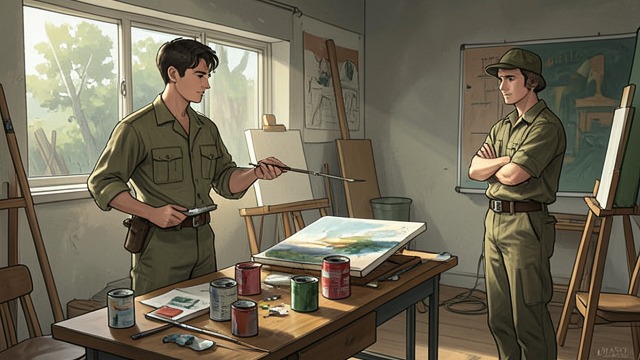
Art in a Restrictive Setting
A staff member notices ability
At Zanesville Youth Camp, recreation director Dean Hughes encouraged Billy to paint and bought supplies at his own expense. The work gave Billy a focused activity and created a point of connection with an adult who treated his talent seriously.
Promise meets institutional limits
Hughes helped sell several paintings, but camp policy required the money to be returned and the paintings retrieved. The episode showed both the public appeal of Billy’s work and the limits placed on a young person in state custody.
The Prison Studio
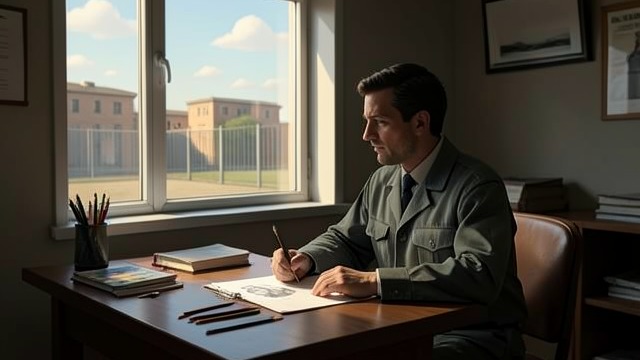
Art Makes Time Endurable
A route out of isolation
After a long period of protective isolation, Billy was allowed into the graphic-arts room at Lebanon prison. Tommy’s landscapes impressed the instructor, who gave him room and materials to continue painting.
Work becomes a form of agency
Prison staff and administrators admired the paintings, and some allowed Billy to paint in his cell in return for work. The arrangement brought structure, recognition, and a degree of control to a life otherwise governed by confinement and uncertainty.
The Grace of Cathleen
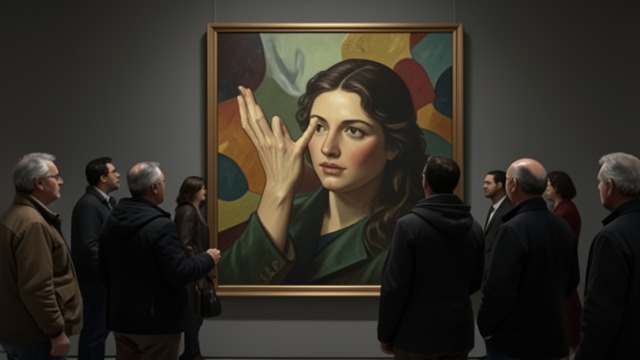
A Collaborative Painting
Three approaches in one work
Allen, Tommy, and Danny took turns creating The Grace of Cathleen, dividing attention among the face and hands, the background, and the detailed elements. The finished painting embodied the varied abilities that could coexist within Billy’s creative life.
Recognition and future purpose
The work later attracted a buyer and brought significant income. Billy connected the proceeds to practical plans, including supporting himself and contributing to efforts against child abuse, making the painting a bridge between artistic achievement and hoped-for public purpose.
Art Under Public Scrutiny
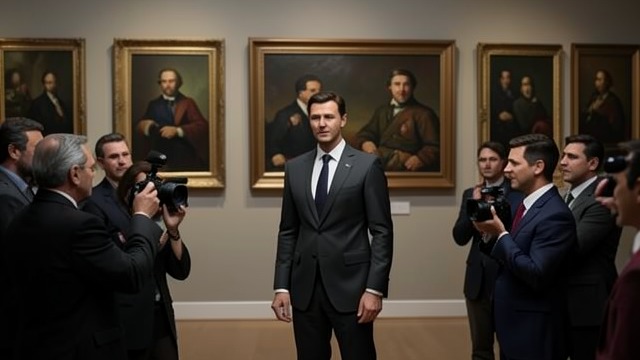
Exhibiting Under a Famous Name
A public display
Billy prepared paintings for an exhibit at the Athens National Bank and spoke to television reporters about both his work and his treatment. He wanted visitors to respond to the paintings as art rather than treat them as clues to a sensational case.
Achievement amid renewed controversy
The exhibit brought attention and income, but the press often folded it into coverage of the crimes and the psychiatric controversy. Billy’s efforts to build a future through his work therefore remained vulnerable to public suspicion and institutional restrictions.
Childhood in Circleville and Lancaster, before 1970
Spring 1973, during Billy’s placement at Zanesville Youth Camp
August 1976 to April 1977, at Lebanon prison
Spring 1978, during confinement at Harding Hospital
Summer 1979, during Billy’s treatment in Athens
